[maxmegamenu location=bar]
SPINE AND SCOLOISIS ADJUSTMENT
Information on Spine
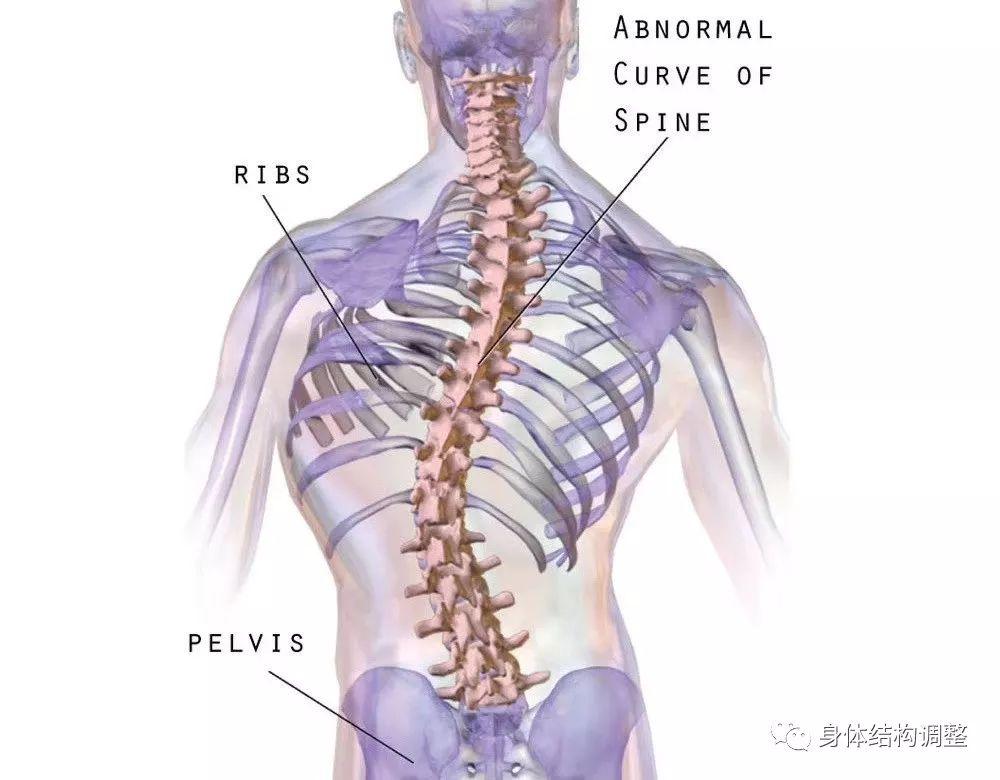
- The human spine is a complex structure consisting of bones, discs, ligaments, and muscles that work together to support the body, facilitate movement, and protect the spinal cord.
- Spinal problems can arise due to factors like aging, injury, or poor posture, leading to conditions such as osteoarthritis, sciatica, and spinal fractures.
- Symptoms may include pain, stiffness, and limited mobility, affecting daily activities and quality of life. Treatment options include medications, physical therapy, and in some cases, surgery, tailored to address specific spine issues and alleviate discomfort.
Spine Structure:
- The human spine, or vertebral column, is a crucial structure providing support, flexibility, and protection to the spinal cord.
- It consists of 33 vertebrae stacked on top of each other and separated by intervertebral discs, which act as shock absorbers.
Spinal Anatomy:
- The spine is divided into five regions: cervical (neck), thoracic (upper back), lumbar (lower back), sacral, and coccygeal.
- Each region has a specific number of vertebrae, with varying sizes and shapes to accommodate different functions and movements.
Common Spine Issues:
Herniated Discs:
- Occur when the soft inner core of an intervertebral disc bulges out through the tough outer layer, pressing on nearby nerves and causing pain, numbness, or weakness.
Spinal Stenosis:
- Narrowing of the spinal canal, typically due to age-related changes like bone spurs or thickened ligaments, leading to compression of the spinal cord or nerves and resulting in symptoms like leg pain or difficulty walking.
Degenerative Disc Disease:
- Gradual breakdown of the intervertebral discs over time, leading to decreased disc height, loss of cushioning, and potential nerve irritation or inflammation, often causing chronic back pain or stiffness.
Causes of Spine Issues:
Degenerative Changes:
- Natural wear and tear on the spine over time can lead to degenerative conditions such as osteoarthritis, where cartilage breaks down, and spinal discs lose hydration and elasticity.
Trauma or Injury:
- Accidents, falls, sports injuries, or repetitive movements can cause damage to the spine, including fractures, herniated discs, or ligament sprains.
Poor Posture and Body Mechanics:
- Prolonged sitting, standing, or lifting heavy objects improperly can strain the muscles, ligaments, and discs of the spine, leading to issues like muscle imbalances or disc herniation.
Age-Related Changes:
- As people age, the spine undergoes changes such as decreased bone density (osteoporosis), spinal disc degeneration, and spinal canal narrowing (spinal stenosis), increasing the risk of spine-related issues. In the case of children, more care will be required.
Genetic Factors:
- Inherited conditions like scoliosis or spinal deformities can predispose individuals to spine issues due to abnormal spinal curvature or structural abnormalities.

Symptoms of Spine Issues:
Back Pain:
- Persistent or intermittent pain in the neck, upper back, lower back, or buttocks that may worsen with movement, bending, or prolonged sitting or standing.
Radiating Pain:
- Pain that radiates from the spine to other areas of the body, such as the arms, hands, legs, or feet, often accompanied by numbness, tingling, or weakness.
Stiffness and Reduced Mobility:
- Difficulty bending, twisting, or performing daily activities due to stiffness, restricted range of motion, or muscle weakness.
Nerve Compression Symptoms:
- Symptoms like sciatica (pain, numbness, or tingling radiating down the leg), cervical radiculopathy (pain, weakness, or numbness in the arm or hand), or cauda equina syndrome (severe low back pain, bowel or bladder dysfunction) due to compression of spinal nerves.
Changes in Bowel or Bladder Function:
- Loss of bladder or bowel control, difficulty urinating, or incontinence may indicate a serious spinal condition requiring immediate medical attention.
How our Chiropractors treat:

Spinal Adjustment:
- As chiropractors, we use gentle spinal adjustments to improve spinal alignment and reduce the curvature associated with scoliosis.
- These adjustments aim to restore proper vertebral alignment, relieve pressure on the nerves, and promote optimal function of the spine.
Soft Tissue Therapy:
- We may incorporate soft tissue therapies such as massage, myofascial release, or trigger point therapy to address muscle tension, adhesions, and scar tissue formation. These techniques help enhance blood circulation, promote tissue healing, and improve flexibility.
Spinal Decompression Therapy:
- Spinal decompression involves gently stretching the spine using a traction table or specialized equipment. This technique helps relieve pressure on spinal discs, alleviate nerve compression, and promote the rehydration and healing of injured discs.
Exercise Prescription:
- We prescribe specific exercises to strengthen the muscles surrounding the spine and improve posture.
- These exercises help stabilize the spine, reduce muscle imbalances, and prevent further progression of scoliosis.
Postural Correction Techniques:
- We teach postural correction techniques to help individuals with scoliosis maintain proper alignment and reduce strain on the spine.
- These techniques may include ergonomic adjustments, lifestyle modifications, and awareness of body mechanics.
Bracing and Orthotics:
- In some cases, chiropractors may recommend the use of braces or orthotic devices to support the spine and correct spinal curvature.
- Customized braces or orthotics can help stabilize the spine, improve posture, and alleviate discomfort associated with scoliosis.
Pain Management Strategies:
- Chiropractors offer pain management strategies to help individuals with scoliosis manage discomfort and improve quality of life.
- These strategies may include manual therapy techniques, such as massage therapy or trigger point therapy, to alleviate muscle tension and reduce pain.
In Conclusion
As you embark on your journey of spine and scoliosis adjustment, envision a life where your spine is a source of strength, resilience, and well-being. Chiropractic care goes beyond the adjustment—it's a celebration of your body's innate ability to heal. Step into a world of optimal health, where your spine stands tall as the pillar of your vitality.
Our Address
123 Marina View
#08-08
Singapore 123456
Hotline: +65 6100 8123
Contact Us